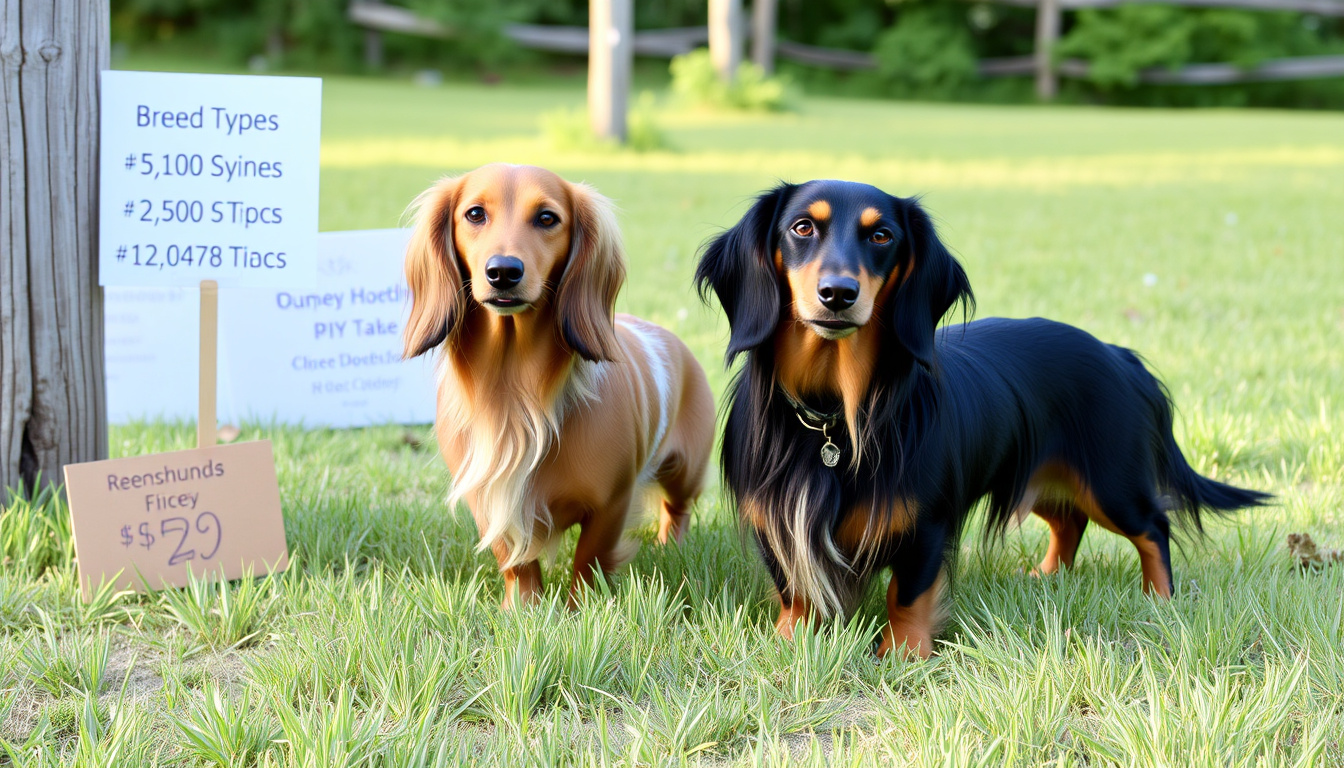

With their long bodies, short legs, and unmistakable silhouette, sausage dogs—officially known as Dachshunds—are one of the most recognisable and beloved breeds in the world. Whether you call them wiener dogs, badger dogs, or doxies, these small hounds have captured hearts across the globe. This guide covers everything from their history and pricing to the different types, popular names, and essential accessories, providing a complete resource for anyone considering adding one of these charming dogs to their family.
Originally bred in Germany for hunting badgers and rabbits, the Dachshund’s name literally translates to “badger dog” (Dachs meaning badger, Hund meaning dog). Their elongated build and powerful front paws made them ideal for digging into burrows and confronting prey underground. Today, their courageous and curious temperament remains a defining trait.
Understanding the commitment involved is essential. Dachshunds can live for 12 to 16 years, and their specific health needs, particularly concerning their spine, require informed ownership. This article examines the facts, costs, and considerations for prospective owners.
What Is a Sausage Dog? The Dachshund Breed Explained
The Dachshund is a breed of hound dog developed centuries ago in Germany. Their distinctive appearance—a long torso, short legs, and a confident expression—is the result of selective breeding for a specific hunting purpose. They are classified into two sizes in the US and UK: Standard and Miniature.
Key Insights About Sausage Dogs
- Sausage dogs are consistently one of the most searched dog breeds in the UK, with a keyword volume of approximately 49,500 searches per month.
- Transactional queries related to purchase and price represent a significant share of search intent, second only to general breed information.
- Niche accessories, such as “sausage dog boxes,” show notable demand, indicating a strong product ecosystem around the breed.
- Rescue-related searches are lower in volume but represent a high-intent, underserved segment with existing high-authority partners like Dogs Trust and PDSA.
- The breed is known for being courageous, curious, and sometimes stubborn, traits rooted in its hunting heritage.
- Exercise needs are moderate, but the breed enjoys digging and requires mental stimulation to prevent boredom.
- Grooming requirements vary significantly by coat type, from minimal for smooth coats to regular brushing for long-haired varieties.
Breed Snapshot Facts
| Attribute | Details |
|---|---|
| Official name | Dachshund |
| Nicknames | Sausage dog, wiener dog, badger dog |
| Life span | 12–16 years |
| Size | Standard (16–32 lbs) or Miniature (under 11 lbs) |
| Coat types | Smooth, Long-haired, Wire-haired |
| Temperament | Courageous, curious, sometimes stubborn |
| Exercise needs | Moderate – daily walks, loves digging |
| Grooming | Varies by coat; long-haired needs regular brushing |
How Much Do Sausage Dogs Cost? Dachshund Price Guide
The price of a Dachshund varies considerably based on size, coat type, colour, lineage, and location. Understanding these factors helps set realistic expectations and avoid unethical sellers. Prices can range from a few hundred pounds or dollars for a rescue adoption to several thousand for a puppy from a reputable breeder with rare traits.
Sizes and Price Impact
Dachshunds come in three recognised sizes internationally, though only Standard and Miniature are officially recognised in the US and UK. A third size, the Kaninchen (rabbit), is recognised in Germany and some other European countries.
| Size Type | Weight Range | Primary Use | US Price Range (Breeder) |
|---|---|---|---|
| Standard | 16–32 lbs (7–14 kg) | Badger hunting | $500 – $2,500 |
| Miniature | ≤11 lbs (≤5 kg) | General companionship | $800 – $3,000 |
| Kaninchen | ≤8 lbs (≤4 kg) | Rabbit hunting | €1,500 – €2,500 (Germany) |
Coat Type and Price
The three coat types—smooth, long-haired, and wire-haired—also affect price. The smooth coat is the most common and generally the most affordable, while the wire-haired variety is the rarest and often the most expensive.
| Coat Type | Description | Price Impact |
|---|---|---|
| Smooth | Short, sleek hair | Most common/affordable |
| Long-haired | Silky, flowing coat | +$200–$800; requires grooming |
| Wire-haired | Dense, rough coat | Rarest; most expensive |
Colour Variations and Price
Colour and pattern play a major role in determining a Dachshund’s price. Rare colours and patterns like dapple (merle) and English cream command significant premiums over common colours like chocolate and tan or black and tan.
- Dapple (Merle): A rare pattern that can add $500–$1,000 to the price, with overall ranges from $1,500 to $3,500.
- English Cream: A rare, light-coloured coat that is highly prized, with prices reaching $2,000–$4,000 in the US and averaging around £1,425 in the UK.
- Chocolate & Tan / Black & Tan: Common colours that are generally more affordable than rare patterns.
- Teacup/Ultra-Mini: Rarely, extremely small variants described as “teacup” can fetch up to $10,000 in extreme cases.
Price Breakdown: Sale vs. Rescue
| Source | US Price Range | UK Price Range | Notes |
|---|---|---|---|
| Reputable Breeder | $500 – $3,500 | £800 – £3,500 | Show lines cost 2–3× more |
| Puppy Farm/Mill | $300 – $600 | £300–£500 | Higher health risks |
| Rescue/Shelter | $100 – $500 | £100 – £300 | Includes vaccinations/spay |
| Adult Dog | $300+ | £250+ | Less demand than puppies |
Puppy mills and backyard breeders often offer lower prices, but the risks of health and behavioural problems are significantly higher. Always verify health guarantees and lineage. Reputable breeders will be transparent about their practices and allow you to visit the premises.
Where to Find Sausage Dogs for Sale or Rescue
Finding a sausage dog involves choosing between purchasing from a breeder and adopting from a rescue or shelter. Each path has its own costs, benefits, and considerations. The decision often comes down to budget, availability, and personal preference.
Buying from a Breeder
AKC-registered breeders in the US average around $1,000 for a puppy, while non-AKC but ethical breeders may charge between $600 and $1,000. The Dachshund Club (UK) is a good starting point for finding reputable breeders in Britain. Show-quality puppies or those with superior pedigree can cost between $1,500 and $13,200 or more.
Rescue and Adoption Options
Adopting a Dachshund is a lower-cost alternative that often includes vaccinations, spaying or neutering, and initial health checks. Breed-specific rescues typically charge between $150 and $500, while municipal shelters may charge as little as $50 to $150. In the UK, Dogs Trust and other charities offer rehoming services for the breed.
Online Marketplaces
Online platforms like Craigslist often list puppies for $300 to $600, but these sales typically come with lower guarantees and a higher risk of health issues. Verifying the seller’s credentials is essential. Always prioritise meeting the puppy and its parents in person before committing.
Regional price variations are significant. In the US, the Northeast and West coast typically see higher prices ($1,500–$3,000) compared to the Midwest and South ($1,000–$2,400). Prices also fluctuate with demand, so contacting multiple sources is recommended.
What Are the Different Types of Sausage Dogs? Miniature, Long-Haired, and More
Dachshunds are categorised by size and coat type, each variation offering a distinct look and personality. The three coat types each have unique grooming and care requirements.
Smooth-Haired Dachshund
The smooth-haired variety has a short, sleek coat that requires minimal grooming. This is the most common and recognisable type, and its low-maintenance coat makes it a popular choice. However, smooth-haired Dachshunds are more sensitive to cold weather and may need a coat in winter.
Long-Haired Dachshund
Long-haired Dachshunds have a silky, flowing coat that requires regular brushing to prevent mats and tangles. This coat type provides better insulation in colder weather. Grooming costs are higher, and owners should budget for additional time and supplies.
Wire-Haired Dachshund
Wire-haired Dachshunds have a dense, rough coat that requires stripping (a form of grooming that removes dead hair) to maintain its texture. This is the rarest of the three coat types and is often the most expensive. Wire-haired dogs are considered by some owners to have a more independent temperament.
What Are Good Names for a Sausage Dog?
Choosing a name for a Dachshund often reflects their unique shape, playful personality, or German heritage. The breed’s many nicknames—sausage dog, wiener dog, doxie—offer plenty of inspiration.
Popular categories for Dachshund names include food-related names (Oscar, Frankie, Noodle), German names (Hans, Gretel, Fritz), and names that reference their hunting background (Digger, Scooter, Scout). Many owners also choose names that highlight the dog’s long body, such as Stretch, Longfellow, or Slinky.
What Is a Sausage Dog Box? Essential Accessories for Your Dachshund
“Sausage Dog Box” is the name of a UK-based online retailer specialising in clothing and accessories specifically designed for Dachshunds. They offer a range of products including harnesses, waterproof coats, jumpers, and other essentials tailored to the breed’s distinctive build.
Essential Accessories for a Dachshund
Due to their long spine and short legs, Dachshunds require specific gear to protect their health. These items are not just accessories but necessities for responsible ownership.
- Harness: A harness is essential to avoid putting pressure on the neck and spine. Collars can increase the risk of injury.
- Ramps and Steps: Jumping on and off furniture is a leading cause of spinal injury. Ramps or steps help protect the back.
- Winter Clothing: Smooth and wire-haired Dachshunds are prone to cold and benefit from a warm coat during winter.
- Grooming Supplies: Long-haired Dachshunds need brushes and combs; wire-haired dogs may require stripping tools for their coat.
- High-Quality Diet: Preventing obesity is critical, as excess weight stresses the back and increases the risk of IVDD.
Timeline of Dachshund History
The Dachshund has a long and storied history, evolving from a specialised hunting dog to a beloved family companion. The following timeline highlights key events in the breed’s development.
- 15th century: Origins of the Dachshund in Germany, bred for badger hunting.
- 1840s: Breed refinement and standardisation begins in Germany.
- 1870s: Introduction of the breed to the United Kingdom and United States.
- 1885: Recognised by the American Kennel Club (AKC).
- 1913: Formation of The Dachshund Club in the UK.
- Modern day: Remains a popular companion breed; rescue organisations are active worldwide.
Clarifying Facts and Uncertainties About Sausage Dogs
Several common questions and misconceptions exist about Dachshunds. The following table separates established facts from information that remains less clear.
| Established Information | Information That Remains Unclear |
|---|---|
| Dachshunds are officially named Dachshund; “sausage dog” is a colloquial nickname. | The exact origins of the nickname “sausage dog” are anecdotal, though widely linked to their elongated body. |
| Pronunciation varies regionally; both “dacks-hund” and “dash-ind” are accepted in English. | No single fixed national price exists; ranges vary by breeder, location, pedigree, and coat type. |
| The breed was developed in Germany for hunting badgers and rabbits. | The term “sausage dog box” refers to a commercial subscription retailer, not a physical box product. |
Context: Choosing a Sausage Dog and Ethical Ownership
Bringing a Dachshund into your home is a long-term commitment that requires careful consideration of the breed’s specific needs. Their courageous nature and independent streak can make training a challenge, but with consistency and positive reinforcement, they learn well.
One of the most critical health concerns for the breed is Intervertebral Disc Disease (IVDD), a condition where the discs in the spine degenerate or rupture. This can lead to pain, paralysis, and costly surgery, with vet bills potentially reaching $1,500 to $5,000 or more. Preventing obesity and avoiding jumping are key to reducing this risk.
Ethical ownership also means choosing between a breeder and a rescue. PDSA and Dogs Trust offer expert advice on care and can help match potential owners with rescue dogs. Supporting reputable breeders or adopting from a rescue helps combat the puppy mill trade and ensures dogs are bred with health and temperament in mind.
Sources and Quotes on Sausage Dogs
“Because of their long, narrow build, they are often nicknamed the wiener dog in the US and Canada or the sausage dog in the British Isles and Australasia.”
Wikipedia – Dachshund article
“Dachshunds can be long haired, smooth haired or wire haired.”
Dogs Trust breed guide
“Discover premium dachshund clothing, harnesses, waterproof coats, jumpers and accessories, thoughtfully designed for miniature and standard dachshunds.”
Sausage Dog Box homepage
Key Takeaways: What to Remember About Sausage Dogs
Dachshunds are a distinctive and rewarding breed, but their unique anatomy and history bring specific needs. From choosing between a standard and miniature size to deciding on a coat type and finding a reputable source, informed decisions make all the difference. For more detailed information on pricing, read our guide on how much a Dachshund costs.
Frequently Asked Questions
How do you pronounce dachshund?
In American English, it’s often pronounced “dacks-hund” (rhymes with “box hound”); in British English, “dash-ind” or “dacks-hund” are common. Both are acceptable.
Are sausage dogs good with children?
Dachshunds can be good with older, respectful children, but their small size makes them vulnerable to rough handling. Early socialisation is key.
Do sausage dogs bark a lot?
Yes, they are known for being vocal – a result of their hunting heritage. Training and stimulation can help manage excessive barking.
What health issues are common in sausage dogs?
IVDD (spinal disc disease), obesity, dental issues, and patellar luxation are common. Regular vet check-ups and weight management are important.
Are sausage dogs easy to train?
Dachshunds can be stubborn, which makes training a challenge. Consistent, positive reinforcement methods work best for this intelligent but independent breed.
Do sausage dogs need a lot of exercise?
Their exercise needs are moderate—daily walks and playtime are sufficient. However, they enjoy digging and need mental stimulation to prevent boredom.
Is a harness better than a collar for a dachshund?
Yes, a harness is strongly recommended to avoid putting pressure on the neck and back, reducing the risk of spinal injury.
How long do sausage dogs live?
Dachshunds have an average lifespan of 12 to 16 years, making them a long-term companion for any owner.
What is the difference between a standard and miniature dachshund?
Standard Dachshunds weigh 16–32 lbs, while Miniatures weigh 11 lbs or less. Miniatures were bred for hunting smaller prey like rabbits.
Can sausage dogs be left alone?
They can be left alone for moderate periods if properly trained, but they are prone to separation anxiety. Crate training can help provide security.

Thomas Ellery is Business & Economy Correspondent at NewsPrism.co.uk, reporting on UK companies, markets, employment and household finances.