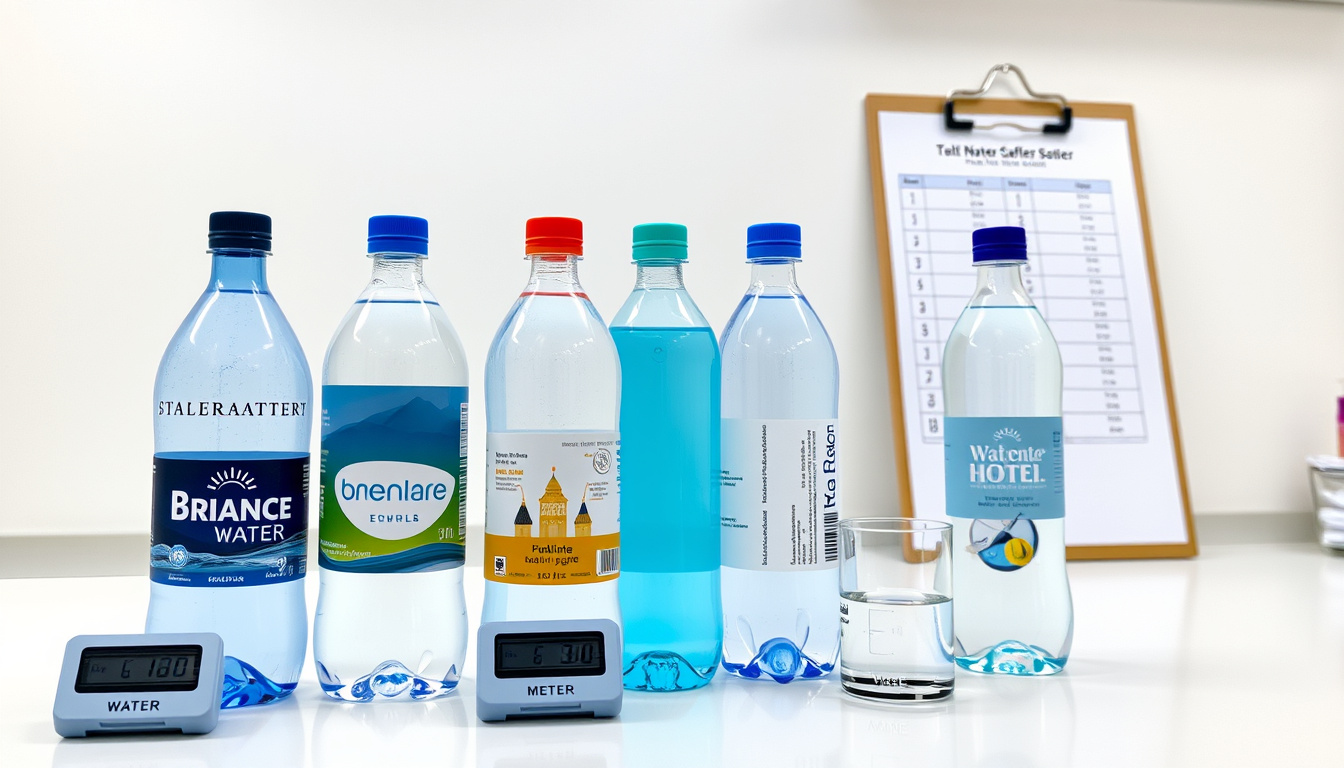
The reusable water bottle market in 2025 is crowded with options that claim to keep drinks cold, stay leakproof, and last for years. Sorting through the marketing hype to find a bottle that actually delivers requires separating independent test results from brand promises. Recent evaluations from multiple sources point to clear winners for different needs – but also reveal that some of the most popular names fall short on critical features like leakproof performance and temperature retention.
Whether you need a bottle for school, the office, the gym, or hiking, the choice often comes down to material, size, and lid design. Stainless steel models dominate the premium segment, while lightweight plastic bottles remain a strong contender for budget-conscious buyers. The challenge is matching the right bottle to your daily routine without overpaying for features you may not use.
This guide compares the leading brands – Yeti, Owala, Chilly’s, Stanley, and Ion8 – using data from independent lab-style tests, expert reviews, and user feedback. It also addresses the key questions buyers ask: which size works best, how to keep water cold, what makes a bottle truly leakproof, and how material choices affect safety and the environment.
What Are the Best Water Bottles to Buy in 2025?
Quick Comparison Overview
Chilly’s Bottles
- Best For: Everyday style and insulation
- Key Material: 18/8 stainless steel
- Leakproof Rating: High (unless lid is worn)
- Price Bracket: £20–£35
Stanley 1913
- Best For: Extreme durability
- Key Material: 18/8 stainless steel
- Leakproof Rating: Below average
- Price Bracket: £25–£45
Yeti Water Bottles
- Best For: Heavy use, outdoor adventures
- Key Material: 90% recycled stainless steel (Rambler)
- Leakproof Rating: Excellent
- Price Bracket: £30–£50
Ion8 Water Bottles
- Best For: Affordable leakproof plastic
- Key Material: BPA-free Tritan plastic
- Leakproof Rating: Excellent (award-winning lid)
- Price Bracket: £12–£20
Key Insights from Testing
- Stainless steel bottles dominate the premium market, but Ion8 leads in affordable, plastic-based leakproof design.
- Size choice (500ml vs 1L) depends more on commute duration and activity type than on thirst alone.
- User reviews consistently place leakproof performance above insulation for daily desk use.
- Eco-friendly claims are complex; stainless steel is durable but carbon-intensive to produce, while Tritan plastic is lighter but less permanent.
- The YETI Rambler ranked 1st for cold retention at 12 hours and 2nd at 6 hours in independent tests (source).
- Owala FreeSip was identified as the best stainless steel bottle by Serious Eats for its leakproof performance and dual sip ports (source).
- Stanley, despite its popularity, is explicitly not leakproof and scored below average in hot retention tests (source).
2025 Water Bottle Buying Snapshot
| Category | Bottle | Key Feature | Source |
|---|---|---|---|
| Best All-Rounder | Chilly’s Series 2 | Stainless steel, high insulation | Content plan |
| Best for Durability | Stanley 1913 Master Unbreakable Bottle | Extreme impact resistance | Content plan |
| Best for Leakproof | Ion8 Leak Proof Range | Award-winning lid mechanism | Content plan |
| Best for Lightweight | Yeti Yonder | Durable plastic, low weight | Content plan |
| Best Reviewed (2025) | Ocean Bottle Go | Guardian test winner | Content plan |
| Top Cold Retention | YETI Rambler | Keeps water cold 24h+ | (source) |
| Best One-Handed Use | Owala FreeSip | Straw + chug port, leakproof | (source) |
| Budget Value | Contigo | Insulation rivaling steel at lower cost | (source) |
| Most Sustainable Material | Yeti Rambler | 90% recycled stainless steel | (source) |
| Not Recommended (Leak Issues) | Stanley | Not leakproof, average insulation | (source) |
Stainless Steel vs. Plastic: Which Reusable Water Bottle Is Better?
The material debate often begins with safety: are plastics safe to reuse? Most modern reusable bottles use BPA-free plastics such as Tritan, which are considered safe by regulatory bodies. Yet concerns persist about potential long-term endocrine effects, even from BPA-free plastics, because of other chemical additives. Stainless steel, by contrast, is chemically inert and does not leach compounds, making it the preferred choice for health-conscious users.
Stainless steel bottles from Yeti, Stanley, and Chilly’s are made from 18/8 food-grade stainless steel. Yeti’s Rambler uses 90% recycled stainless steel, reducing its carbon footprint compared to virgin steel. However, the production of any stainless steel is energy-intensive, so the environmental advantage of steel over plastic depends on how long you use the bottle.
Are Plastic Water Bottles Safe to Reuse?
Single-use plastic bottles are not designed for repeated refilling and can degrade, releasing microplastics. Reusable plastic bottles, such as those from Ion8 and Yeti Yonder, are made from thicker, more durable materials. They are generally safe when washed regularly and not exposed to high heat. The uncertainty lies in the long-term effects of even BPA-free plastics on hormonal health – research is ongoing and no definitive consensus exists as of 2025.
Are There Any Water Bottles That Are Truly Eco-Friendly?
No bottle is completely free of environmental impact. Stainless steel bottles last for years but require significant energy to mine and process. Plastic bottles are lighter to transport but have a shorter lifespan. The most eco-friendly choice is a bottle you will use for many years, regardless of material. Some brands, like Yeti, are moving toward recycled steel, while others like Ion8 use recyclable Tritan plastic. The recycling rate for stainless steel water bottles remains low in practice, as they often end up in general waste.
500ml vs 1 Litre: What Size Water Bottle Should You Get?
The right capacity depends on your daily routine and the type of activity. A 500ml bottle (around 17 oz) is lightweight and fits in most cup holders and school bags. A 1-litre bottle (33 oz) requires fewer refills but adds weight and bulk.
Which Bottle Is Best for School or Office?
For typical desk work or a school day, a 500ml to 700ml bottle is sufficient. The 24-ounce (approx. 700ml) YETI Rambler is often recommended for school bags because it balances capacity with fit (source). If you cannot refill easily during the day, a 1-litre option from the Rambler line works well.
What Is the Best Lightweight Water Bottle for Running or the Gym?
Weight matters more than insulation for active use. The Yeti Yonder plastic bottle is the lightest option from a top brand, while the Ion8 Leak Proof bottle is also lightweight and has an easy-squeeze lid that prevents spills during movement. For runners who want insulation, the Owala FreeSip is still relatively light and offers one-handed drinking.
Is the Ocean Bottle Go Actually Good for Travel?
The Ocean Bottle Go won The Guardian’s 2025 test for its anti-slip coating and practical design for on-the-go use (source). It is made from ocean-bound plastic and stainless steel, making it a responsible choice for travel where durability and grip are priorities.
500ml: Best for short commutes, gym sessions, and kids’ school bags. 750ml: The sweet spot for all-day office use. 1L: Ideal for long hikes, hot days, or if you are prone to forgetting refills.
How to Keep Your Water Cold and Your Bag Dry: Insulation & Leakproof Guarantees
Two features dominate buyer priorities: temperature retention and leakproof design. Vacuum-insulated double-wall bottles (like Yeti Rambler, Owala FreeSip, Chilly’s Series 2) keep water cold for 24 hours or more. In independent tests, the Yeti Rambler ranked 1st at 12 hours for cold retention (source). Owala also performed well, thanks to its vacuum insulation.
Leakproof performance is less consistent. The only top contenders confirmed leakproof in drop and leak tests are the YETI Rambler and the Owala FreeSip (source). Stanley is explicitly not leakproof, and Chilly’s may develop leaks after lid wear. Ion8 has an award-winning lid that seals even when open, but it lacks the insulation of steel bottles.
For hot drinks, vacuum-insulated steel bottles work well – but the Owala FreeSip is not designed for hot liquids. The Yeti Rambler can keep drinks hot for hours, though the plastic cap is a potential weak point.
Of the major brands, only Yeti Rambler and Owala FreeSip have been verified as leakproof in independent drop and leak tests. Stanley, despite its cult status, failed leak tests. If keeping your bag dry is non-negotiable, avoid bottles that have not been certified leakproof.
How to Clean and Maintain Your Reusable Water Bottle
Regular cleaning prevents bacterial growth and extends the life of your bottle. Most stainless steel bottles with powder-coating recommend hand washing, as the dishwasher can damage the finish. Plastic bottles like Ion8 are generally top-rack safe, but manufacturers recommend checking the label.
Are All Reusable Water Bottles Dishwasher Safe?
No. Stainless steel bottles with powder coating (many Yeti and Chilly’s models) should be hand-washed to avoid chipping. Plastic bottles from Ion8 and Yeti Yonder are usually dishwasher safe on the top rack. Always check the manufacturer’s instructions to avoid voiding the warranty.
Which Water Bottle Brand Lasts the Longest?
Yeti and Stanley are known for extreme durability; Stanley offers a lifetime warranty on many models. Yeti’s Rambler passed drop tests with minimal damage (source). Chilly’s bottles are highly durable but can dent if dropped on hard surfaces. Ion8 plastic bottles are robust but may wear over years rather than decades.
How Has the Modern Reusable Water Bottle Evolved?
- Pre-2010: Single-use plastic bottles dominated the market.
- 2010–2015: BPA-free reusable plastic bottles (Nalgene, CamelBak) gained popularity.
- 2016–2019: The stainless steel insulation boom began with brands like S’well and Hydro Flask.
- 2020–2024: Focus shifted to leakproof lids and eco-materials, with the revival of Stanley 1913 and the rise of Chilly’s.
- 2025+: Smart bottles with hydration tracking, carbon-neutral manufacturing, and recycled Tritan Renew plastics are emerging.
What We Know for Sure vs. What’s Still Unclear
| Established Information | Information That Remains Unclear |
|---|---|
| Stainless steel bottles keep cold drinks cold and hot drinks hot for 12+ hours. | Long-term effects of even “BPA-free” plastics on hormonal health. |
| Chilly’s, Yeti, and Stanley use 18/8 food-grade stainless steel. | Exact recycling rates – stainless steel is recyclable but often not reused for bottles. |
| Ion8 bottles are certified leakproof even when open. | Durability of anti-microbial coatings in plastic bottles over 2+ years. |
What Is Driving the Shift from Utility to Lifestyle?
The water bottle market has shifted from a commodity category to a lifestyle accessory. Brands like Stanley and Chilly’s have leveraged social media to build cult followings, often decoupling price from performance. The Guardian’s 2025 test demonstrated that mid-range bottles (e.g., Ocean Bottle Go) can outperform premium name brands in practical use (source). This suggests that marketing, not just engineering, drives many high-end purchases.
What Are Experts Saying About the Best Water Bottles?
“The Ocean Bottle Go is brilliant for use on the go… anti-slip coating means you won’t have any tumbles.”
– The Guardian, The Filter, August 2025
“Keep drinks hot or cold for hours with Chilly’s stainless steel water bottles.”
– Chilly’s Official Product Page
What Should You Buy in 2025?
For a leakproof, insulated, stainless steel bottle for school or daily use, the YETI Rambler is the definitive choice. If you need a lightweight or budget option, the Yeti Yonder (plastic) or Owala FreeSip (insulated, if you do not need hot drinks) are the best alternatives. You can also compare more options with our guide to best insulated water bottles and best stainless steel water bottles. Avoid Stanley if leakproof performance is your priority (source) (source).
Frequently Asked Questions
Are all reusable water bottles dishwasher safe?
Not all. Most stainless steel bottles with powder-coating recommend hand washing. Plastic bottles like Ion8 are generally top-rack safe. Always check the manufacturer’s label to avoid warranty void.
How do I keep my water cold for hours?
Use a double-wall vacuum insulated bottle (e.g., Chilly’s, Stanley, Yeti). Pre-chill the bottle with ice cubes for 5 minutes before adding your drink for maximum performance.
Which water bottle brand lasts the longest?
Stanley 1913 and Yeti are known for extreme durability, often backed by lifetime warranties. Chilly’s bottles are highly durable but may dent if dropped on hard surfaces.
Are stainless steel water bottles better than plastic?
Stainless steel is more durable, better at insulation, and chemically inert. Plastic is lighter and cheaper. For long-term use, steel is generally preferred, but plastic is fine for occasional or active use.
What is the best budget-friendly reusable water bottle?
Contigo offers temperature retention rivaling steel at a lower cost. Ion8 provides affordable leakproof plastic bottles under £20. Both are solid budget picks.
Can I put hot drinks in any insulated water bottle?
Most vacuum-insulated stainless steel bottles can hold hot drinks, but check the manufacturer’s temperature limits. The Owala FreeSip is explicitly not designed for hot liquids.
How often should I clean my reusable water bottle?
Daily rinsing with soap and water is advisable. A deep clean with a bottle brush and mild detergent once a week prevents odor and bacteria. Avoid using bleach or harsh chemicals.
Is the Yeti Yonder dishwasher safe?
Yes, the Yeti Yonder plastic bottle is dishwasher safe on the top rack. The manufacturer recommends removing the lid and washing separately to ensure a thorough clean.
What is the best water bottle for school?
The 24-ounce YETI Rambler is a top choice for school because it is leakproof, durable, and fits many backpack side pockets. For a lighter option, the Yeti Yonder is also suitable.
Do water bottles with straws leak?
Straw lids can leak if not properly closed. The Owala FreeSip’s straw lid is designed to be leakproof when shut, but not all straw bottles are reliable. Always check user reviews for leak reports.

Madeleine Shaw is Politics & Public Affairs Editor at NewsPrism.co.uk, covering Parliament, government policy, elections and public spending.