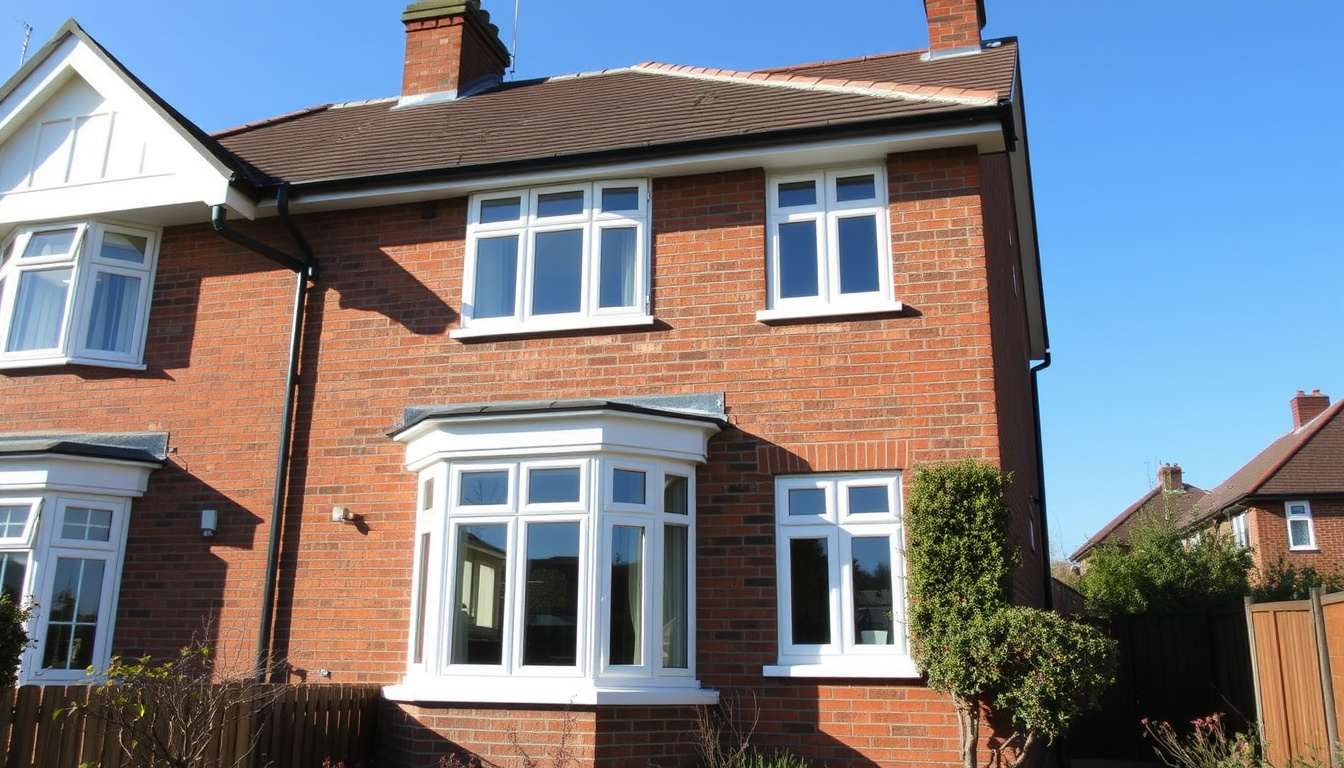
Replacing windows in a three-bedroom house represents one of the more significant home improvement investments a UK property owner can undertake. Understanding the average costs involved helps homeowners budget effectively and make informed decisions about materials, installation, and timing. This guide examines current pricing for window replacement across different property types, with breakdowns by material, size, and regional variations.
The cost to replace all windows in a three-bedroom UK home with new uPVC double glazing typically ranges from £5,000 to £15,000, covering between eight and twelve windows including installation, VAT, and removal of old frames. Wide variations exist depending on property type, chosen materials, and geographic location within the UK.
What is the Average Cost of New Windows for a 3 Bedroom House in the UK?
Total replacement costs span a considerable range because each property presents unique requirements. For a three-bedroom house fitted with uPVC double glazing, most homeowners can expect to pay between £5,000 and £15,000 when all factors are included. According to Checkatrade, estimates for eight to twelve windows in a three-bedroom property typically fall between £8,000 and £15,000. Independent sources suggest lower starting points around £5,000 for basic uPVC installations, though these figures can reach £17,250 depending on window count and specification.
Key Cost Insights
- Materials account for 40–60% of the total project cost, with uPVC window supply ranging from £200–£350 each for standard sizes
- Labour and installation represent 30–50% of overall spending, covering fitting, old window removal, and proper sealing
- Prices increased approximately 3.4% from 2024 to 2025 due to producer price rises
- Coloured uPVC frames add 10–15% compared to standard white finishes
- Bespoke window styles such as bays can cost up to £2,100 per unit
- Triple glazing costs roughly 40% more than equivalent double-glazed options
Total Cost Breakdown by House Type
| House Type | Typical Windows | uPVC Total Cost | Aluminium Total | Timber Total |
|---|---|---|---|---|
| Terraced | 8 | £4,400–£8,800 | Higher (+25%) | Higher (+50%) |
| Semi-Detached | 9–10 | £4,700–£11,000 | £5,735–£10,065 | £12,390–£21,685 |
| Detached | 10–12 | £5,500–£13,200+ | £8,090–£11,115 | £11,065–£23,390 |
How Many Windows Does a Typical 3 Bed House Have?
The number of windows in a three-bedroom house varies considerably based on property design and layout. Most three-bedroom homes contain between eight and twelve windows, with the specific count determined by the number of bedrooms, bathrooms, and communal spaces requiring natural light and ventilation.
Terraced properties typically require around eight windows, reflecting their more compact footprint and shared wall construction. Semi-detached three-bedroom homes usually need nine to ten windows to adequately serve bedrooms, living areas, kitchens, and bathrooms. Detached properties, with their greater external wall space and often larger room counts, typically require between ten and twelve windows. Older Victorian properties may need custom-sized sash windows, which can increase both complexity and cost compared to standard contemporary designs.
What Factors Affect Window Replacement Costs?
Window Size and Style
Larger window formats inevitably cost more than standard sizes, both in materials and installation complexity. Bay windows, for instance, can reach costs of £2,100 each due to their structural requirements and custom fabrication. Traditional sash windows typically range from £700 to £1,500 per unit, while sliding sash designs fall between £600 and £1,400. Tilt-and-turn mechanisms also command premium pricing compared to standard casement openings.
Frame Material Selection
The choice of frame material significantly impacts overall project cost. White uPVC represents the most economical option at £550–£1,100 per window installed. Aluminium frames carry approximately 25% premium over equivalent uPVC products, typically ranging from £700–£1,375 per window. Timber frames, while offering superior aesthetic appeal for period properties, cost roughly 50% more than uPVC, with prices between £825 and £1,650 per window.
For a ten-window installation, typical totals break down as follows: uPVC £6,500–£9,000, aluminium £10,500–£14,500, and timber £12,500–£18,000. These ranges reflect current market pricing and include standard installation.
Labour and Property Considerations
Installation complexity varies with property age and construction type. Victorian homes often require custom measurements and specialist sash window fitting, adding to overall expenditure. Ground-floor installations generally cost less than upper-floor work requiring scaffolding or specialist access equipment. The age of the property may also reveal underlying issues such as rotten timber frames or structural repairs needed before new windows can be fitted.
uPVC Window Costs Per Unit and Material Comparisons
Understanding individual window costs helps homeowners calculate project budgets more precisely. Standard white uPVC casement windows with A or B-rated energy-efficient glass average between £500 and £1,100 per unit including installation. Casement windows specifically range from £500 to £1,250, while sash windows command £700 to £1,500 due to their more complex mechanism.
| Frame Material | Cost per Window | Premium Over uPVC | Total for 10 Windows |
|---|---|---|---|
| uPVC (white) | £550–£1,100 | Base | £6,500–£9,000 |
| Aluminium | £700–£1,375 | +25% | £10,500–£14,500 |
| Timber | £825–£1,650 | +50% | £12,500–£18,000 |
Additional Cost Considerations
Beyond the base window cost, several enhancements influence final pricing. Coloured uPVC frames add 10–15% to standard white pricing. Triple glazing represents a significant upgrade at approximately 40% more than equivalent double-glazed units. Energy ratings also matter—A or B-rated glass meets current building regulations and qualifies properties for certain energy efficiency schemes.
Materials alone for eight uPVC windows cost approximately £1,500–£2,400 excluding labour. Purchasing windows in bulk quantities of eight or more often qualifies for discounts, potentially reducing per-unit costs significantly.
Regional Variations and Ways to Save on Window Replacement
Geographic Price Differences
Location within the UK substantially affects window replacement costs. London and surrounding areas command 20–30% higher prices due to elevated labour costs and transportation expenses. Homeowners in the capital should budget an additional £1,000–£3,000 above national averages. Northern regions of England typically see 10–20% lower costs, with cheaper labour and materials making installations more affordable.
Regional variation means that quotes can differ significantly between areas. Yorkshire and surrounding counties occasionally see quotes as low as £4,500–£6,000 for an average three-bedroom home, while comparable properties in Greater London might attract quotes exceeding £15,000.
Available Financial Support
Limited grant funding remains available for energy-efficient window replacements in 2024–2026. The Great British Insulation Scheme and ECO4 funding can potentially cover 50–100% of costs for qualifying low-income households. Eligibility typically requires properties to have adequate insulation and meet specific energy performance criteria.
Maximising Value
Long-term savings from new windows extend beyond reduced heating bills. Energy savings of 10–20% on annual heating costs represent a meaningful reduction in household expenditure. Properties with new windows may also see value increases of up to 10%, though payback calculations spanning forty years or more mean this benefit remains primarily theoretical.
Grant availability and eligibility criteria change regularly. Homeowners should verify current schemes through official government channels before assuming funding will be available for their specific circumstances.
Window Replacement Timeline
Understanding the sequence of events helps homeowners plan around window replacement work.
- Initial Survey (Day 1): A professional installer visits to measure windows, assess property condition, and discuss specifications
- Quote and Order (1–2 weeks): Following quote acceptance, windows are manufactured to exact measurements
- Manufacturing Lead Time (2–4 weeks): Custom windows typically require two to four weeks for production
- Installation (1–3 days): Fitting all windows in a three-bedroom property usually completes within one to three working days
- Completion and Snagging (Same day): Final checks, sealing, and clearing of old frames occurs upon installation completion
Understanding Cost Ranges
The wide cost ranges reflect numerous variables that affect individual projects.
| Scenario | Description | Typical Range |
|---|---|---|
| Budget Option | Standard uPVC, white frames, terraced property | £4,400–£6,000 |
| Mid-Range | uPVC with some coloured frames, semi-detached | £6,500–£10,000 |
| Premium | Aluminium or timber, multiple styles, detached | £12,000–£18,000+ |
Quotes from different installers typically vary by 20–50%, making comparison shopping essential. Obtaining at least three detailed quotes ensures homeowners receive competitive pricing and understand exactly what each quotation includes.
Expert Quotes and Industry Sources
When replacing windows, always ensure your installer is registered with a competent persons scheme such as FENSA. This certification confirms compliance with building regulations and provides insurance-backed guarantees for the installation.
— Industry guidance via Swallow Glazing
Key industry sources for window replacement costs include Checkatrade, the Federation of Master Builders, Which? consumer guides, and specialised window installation companies. Trade body data provides reliable benchmarks, while consumer reviews offer insight into actual customer experiences with specific companies and products.
Next Steps for Homeowners
Taking a methodical approach helps ensure value for money. Begin by identifying whether you prefer specific window styles suited to your property age and aesthetic requirements. Next, measure existing windows or arrange for professional surveys to obtain accurate dimensions. Finally, contact at least three registered installers for detailed quotes that itemise materials, labour, and any additional costs.
Verification of installer credentials remains crucial. FENSA registration provides assurance of building regulation compliance and insurance-backed guarantees. Checkatrade and similar platforms offer verified customer reviews alongside pricing guidance based on completed projects.
Frequently Asked Questions
How much does it cost to replace all windows in a 3 bedroom house in the UK?
Replacing all windows in a three-bedroom UK home typically costs between £5,000 and £15,000 depending on property type, chosen materials, and location. uPVC double glazing represents the most economical choice at £4,400–£13,200 for standard installations.
What is the average cost per uPVC window including installation?
Standard white uPVC casement windows with energy-efficient glass cost between £500 and £1,100 per window including installation. Sash windows range from £700–£1,500, while sliding designs cost £600–£1,400.
Are there grants available for new windows in the UK?
Limited grant funding exists for qualifying low-income households through schemes like ECO4. Properties with A or B-rated glass may qualify for energy efficiency support, but universal grants are not currently available. Check official government channels for current eligibility criteria.
How long does window replacement take for a 3 bed house?
The complete process from initial survey to installation typically spans four to eight weeks. The survey takes one day, manufacturing requires two to four weeks, and actual installation completes within one to three working days.
Is uPVC or aluminium better value for window replacement?
uPVC windows cost approximately 25% less than equivalent aluminium options. For a ten-window installation, uPVC typically totals £6,500–£9,000 compared to £10,500–£14,500 for aluminium. Timber windows cost roughly 50% more than uPVC.
Do new windows increase property value?
New windows may increase property value by up to 10% according to industry estimates, primarily through improved energy efficiency and enhanced kerb appeal. However, actual value increase depends on property location, condition, and market conditions.
What certification should window installers have?
Installers should hold FENSA registration or equivalent competent persons scheme certification. This confirms building regulation compliance and provides consumer protection through insurance-backed guarantees.

Amelia Grant is Technology & Media Editor at NewsPrism.co.uk, covering AI, platforms, cybersecurity, consumer tech and the media landscape.